
Blood Pressure (BP) Care
Holistic Cardiovascular Harmony & Root-Cause Stress Management
Understanding the Condition & Root Cause
In modern medicine, elevated blood pressure is often managed through continuous symptomatic suppression. In classical Ayurveda, high blood pressure (correlated with Raktavata or Rakta Chapa) is viewed as a systemic imbalance where aggravated Pitta disturbs the blood tissue (Rakta Dhatu) and aggravated Vata constricts the circulation channels (Srotas), driven by chronic stress, metabolic toxins (Ama), and improper dietary habits.
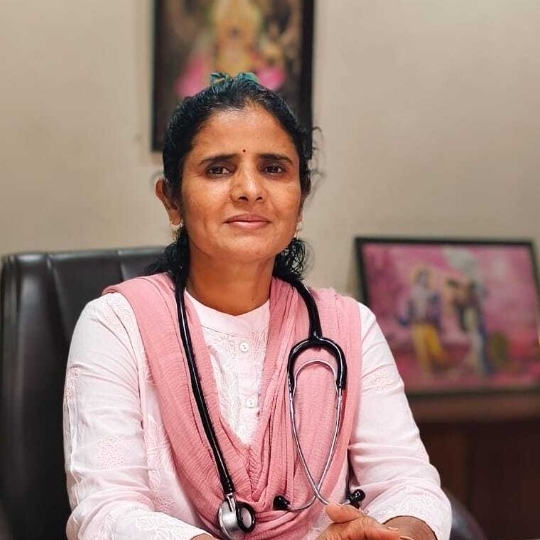
Led by Dr. Shivani Kulkarni with 25+ years of combined experience in allopathic and Ayurvedic healthcare, our blood pressure care program offers an integrated bridge—ensuring you receive safe, monitored Ayurvedic interventions alongside your current medical regimen without abrupt disruptions.
Key Symptoms & Health Concerns Addressed:
- Fluctuating or persistent high blood pressure readings
- Stress-induced tension, sleep disturbances, and irritability
- Arterial stiffness and poor peripheral blood circulation
- Restlessness, palpitations, and morning heaviness
Our Ayurvedic Approach & Formulations
Our clinical approach focuses on calming hyperactive sympathetic nerves, pacifying fiery Pitta dosha, and nourishing the cardiovascular tissue:
- Cardiotonic & Calming Formulations: Classical herbs such as Arjuna (Terminalia arjuna) for myocardial tone, Sarpagandha, Brahmi for neurological calmness, and Ashwagandha for stress-adaptogen resilience.
- Gentle Detoxification (Shodhan): Clearing metabolic micro-toxins (Ama) that cause vascular resistance.
- Relaxation Therapies: Specialized clinical sessions like Shirodhara (continuous medicated herbal oil stream on the forehead) and mild Abhyanga to soothe the autonomic nervous system.
Diet & Lifestyle Guidelines (Pathya & Apathya)
In classical Ayurveda, proper dietary discipline is considered equal to medicine itself in supporting natural recovery.
Pathya (Foods & Habits to Favor)
- Warm, freshly cooked meals with bottle gourd (Doodhi), ridge gourd, and cucumber
- Pomegranate, amla, soaked walnuts, and garlic in moderation
- Adequate hydration with coriander seed and fennel infused water
- Mindful breathing: 15 minutes of Anulom Vilom and Bhramari Pranayama daily
- Consistent sleep timing before 10:30 PM
Apathya (Foods & Habits to Avoid)
- Excess sodium, packaged chips, pickles, and salty snacks
- Deep-fried, heavy, and oily foods that burden digestion
- Excessive red chili, sour fermented foods, and commercial vinegar
- Night-shift irregularities and daytime sleeping
- Suppressing emotional stress and physical fatigue
What to Expect During Your Treatment
Review of your medical history, BP logs, and current medications. Initiation of calming herbal formulations and dietary alignment.
Noticeable improvement in sleep depth, reduced morning anxiety, and progressive stabilization in daytime blood pressure readings.
Sustained autonomic harmony with minimal dose dependency under regular doctor follow-ups and lifestyle autonomy.
Frequently Asked Questions
Yes. Under Dr. Shivani Kulkarni’s guidance, Ayurvedic herbs are integrated safely without stopping allopathic medications abruptly. Any dosage tapering is done strictly based on consistent BP improvement and clinical review.