
Diabetes & Metabolic Care
Prameha Management through Classical Ayurveda & Glycemic Nutrition
Understanding the Condition & Root Cause
In classical Ayurveda, Diabetes is detailed under Prameha (specifically Madhumeha). Rather than treating it merely as high blood glucose, Ayurveda identifies it as an exhaustive metabolic dysfunction involving sluggish digestive fire (Mandagni), aggravated Kapha, and vitiation of Meda (fatty tissue) and Kleda (excess internal fluidity).
Our treatment focuses on rejuvenating the metabolic tissues (Dhatus), improving cellular insulin sensitivity naturally, clearing metabolic toxins, and supporting vitality to help protect vital organs from long-term strain.
Key Symptoms & Health Concerns Addressed:
- Post-meal blood sugar spikes and elevated fasting glucose
- Persistent post-lunch lethargy, mental fog, and extreme tiredness
- Frequent night urination (nocturia) and dry mouth
- Slow-healing skin abrasions and burning sensation in feet
Our Ayurvedic Approach & Formulations
Our structured protocol revitalizes liver function, pancreatic micro-circulation, and cellular receptor sensitivity:
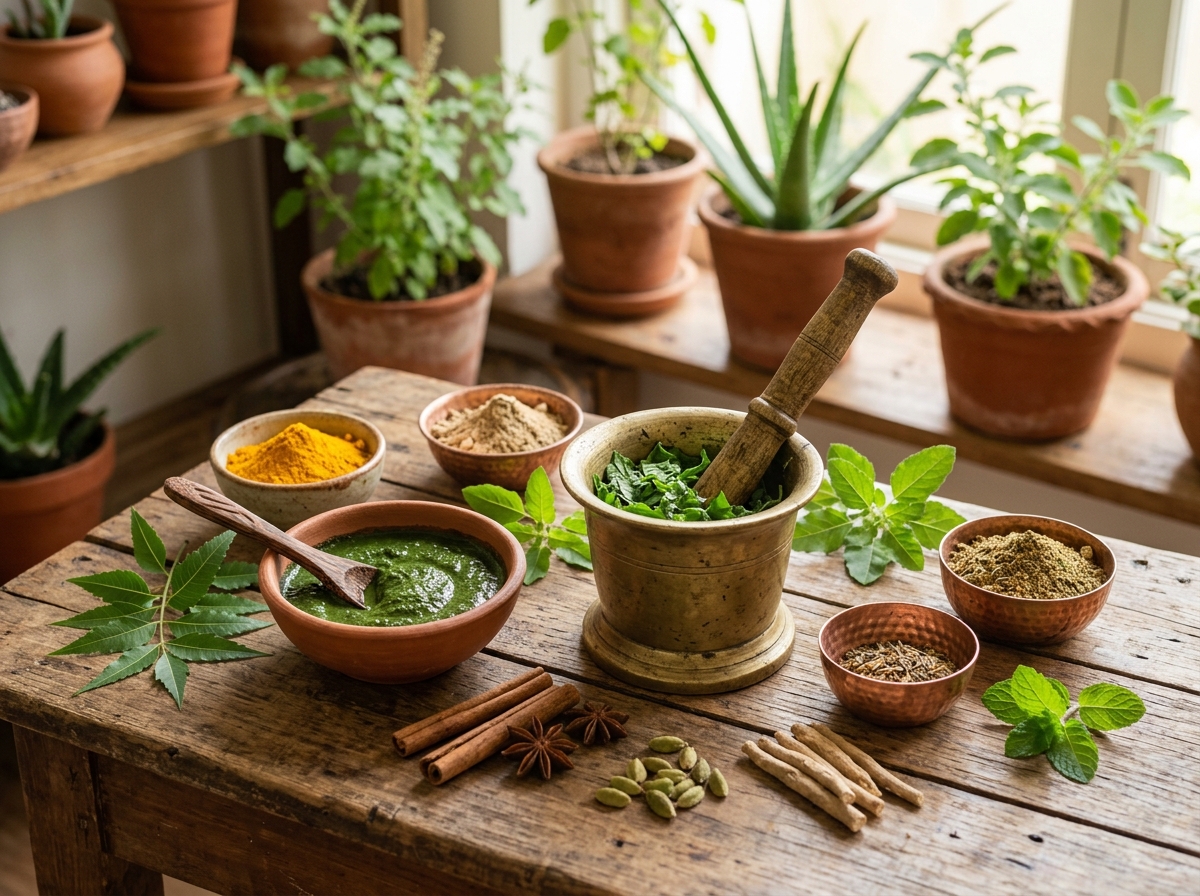
- Tikta-Kashaya (Bitter & Astringent) Therapeutics: Formulations with Vijaysar (Pterocarpus marsupium), Jamun seed, Gudmar (Gymnema sylvestre), Karela, and purified Shilajit.
- Agni Deepana & Ama Pachana: Specialized herbs to rekindle digestive enzymes so that food is metabolized cleanly without forming sticky endotoxins.
- Organ Protection: Rejuvenative Rasayana formulations to shield the kidneys, eyes, and peripheral nerves from sugar-induced oxidative stress.
Diet & Lifestyle Guidelines (Pathya & Apathya)
In classical Ayurveda, proper dietary discipline is considered equal to medicine itself in supporting natural recovery.
Pathya (Foods & Habits to Favor)
- Barley (Yava), pearl millet (Bajra), horse gram, and brown chickpeas
- Bitter vegetables: Methi, Karela, drumstick, ivy gourd (Tindora)
- Soaked fenugreek seeds in the morning; daily fresh Amla juice
- 30–45 minutes of brisk walking; Surya Namaskar in morning sunlight
- Mindful portion control and early light dinners before 8:00 PM
Apathya (Foods & Habits to Avoid)
- Refined white flour, bakery foods, white sugar, and sweet confections
- Daytime sleeping (Diwaswapna), which directly aggravates Kapha and insulin resistance
- Excess potato, sweet potato, ripe mangoes, and high-glycemic fruits
- Sedentary posture immediately after having meals
What to Expect During Your Treatment
Reduction in day-to-day glucose volatility, elimination of post-meal drowsiness, and clearer digestion.
Noticeable drop in HbA1c levels, improved stamina, reduced carbohydrate cravings, and better weight regulation.
Sustained glycemic control with enhanced cellular vitality, monitored through routine lab tests.
Frequently Asked Questions
In early or lifestyle-driven Type-2 diabetes, Ayurvedic therapy alongside strict diet and exercise often leads to significant reductions in medication dosage under physician supervision.